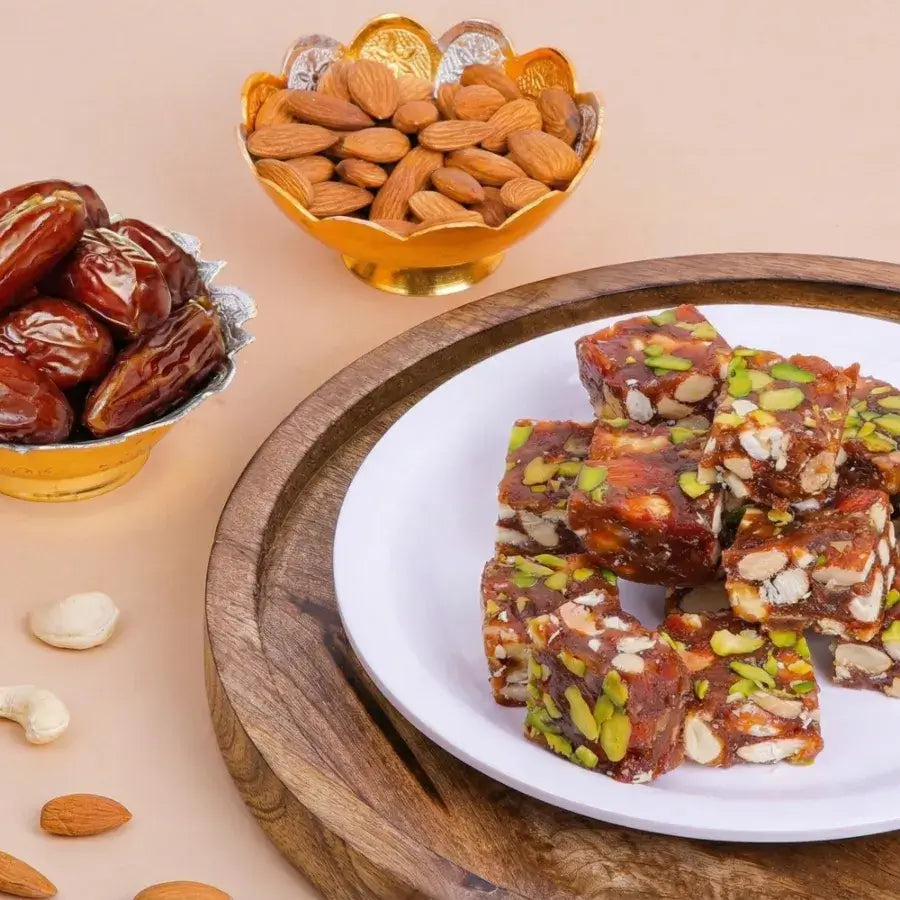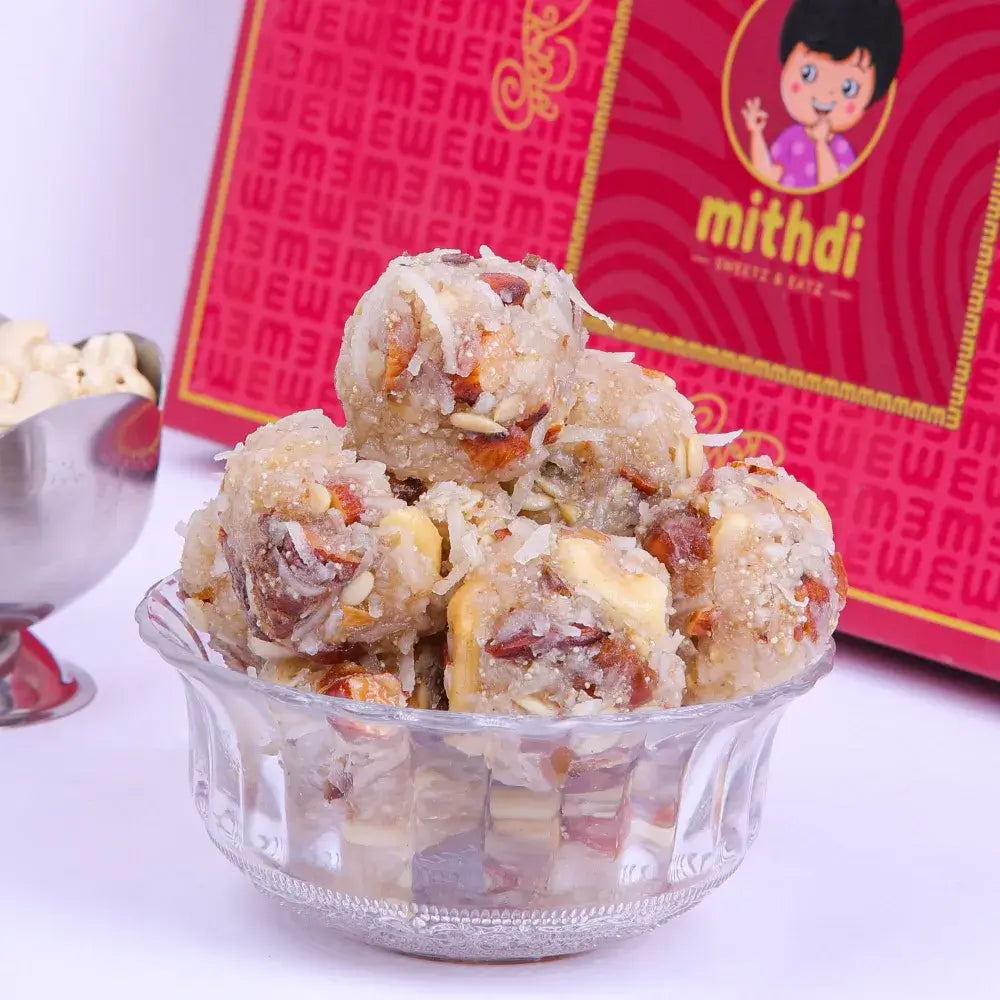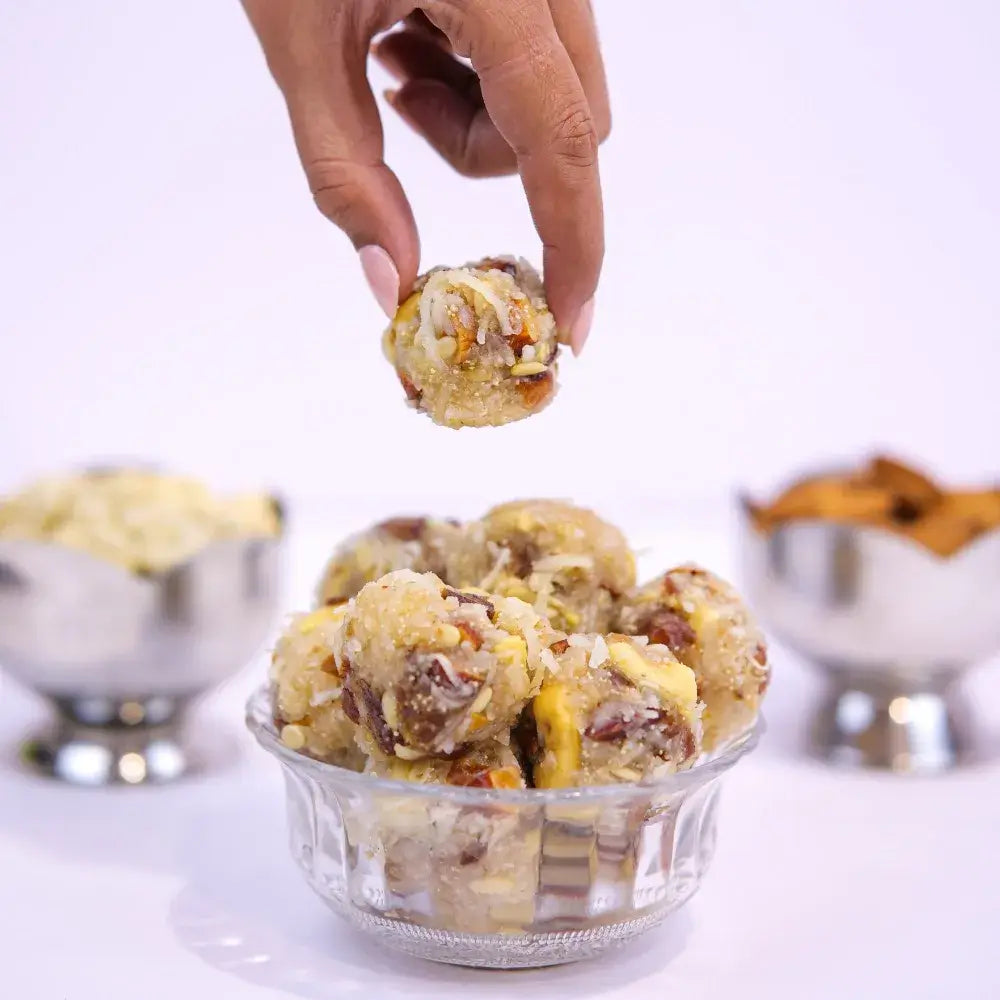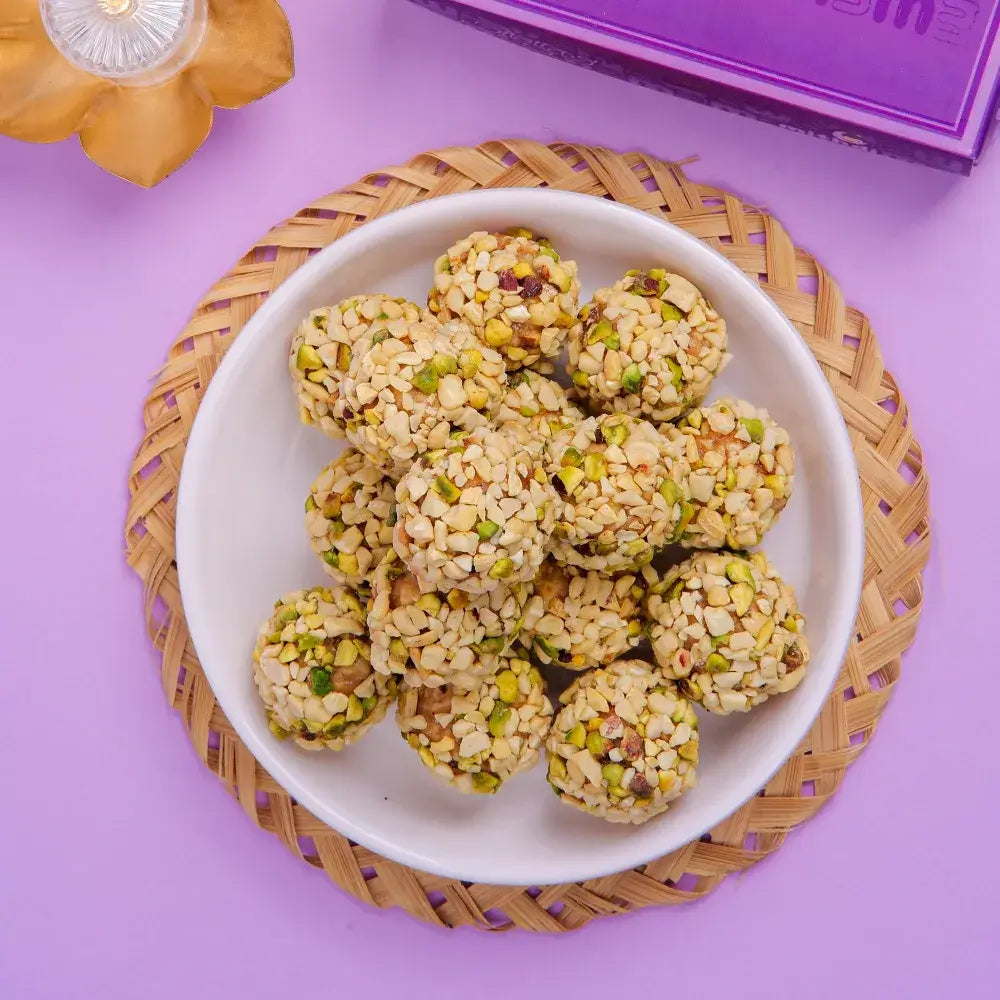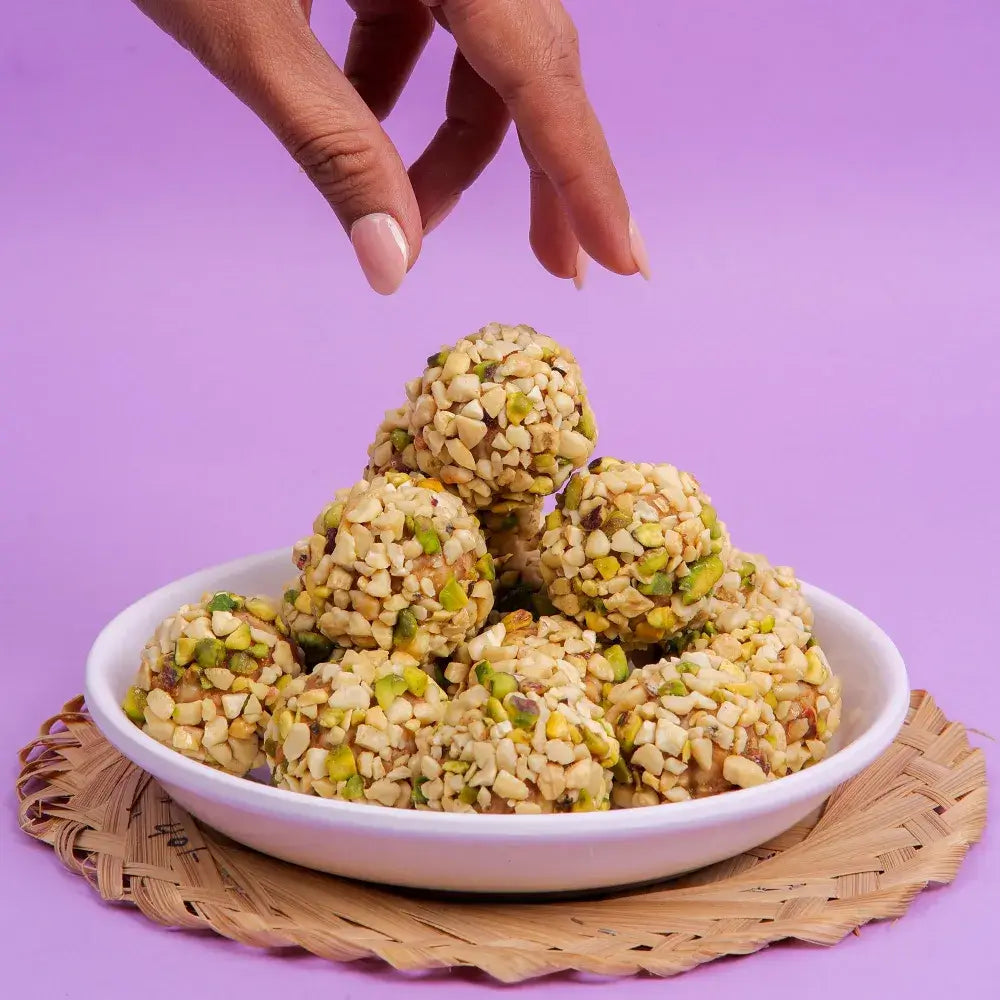
When I was a child, the smell of boiling sugarcane juice — thick, caramel-brown, and warm — meant winter snacks were coming. That same rustic sweetness is jaggery (gur): an age-old Indian sweetener made by evaporating sugarcane or palm sap until it solidifies. Today, modern cooks and health-conscious families are asking the same question I did later as an adult: Is jaggery really healthier than white sugar? The short, honest answer: it’s better in some ways — but it’s not a “free pass.” This post explains exactly how, why, and when to use jaggery in mithai, with practical kitchen tips and safety notes.

What is jaggery (gur) — and how is it made?
Jaggery is the minimally processed solid (or semi-solid) form of concentrated sugarcane or palm sap. Unlike white table sugar, which goes through heavy refining and bleaching to isolate sucrose, jaggery keeps the natural molasses in the final product — and with that, small amounts of minerals and antioxidants. Because of its minimal processing, jaggery also carries a richer, caramel-molasses flavor that changes how sweets taste and feel. (Health)
Nutrition snapshot: jaggery vs white sugar
-
Calories & carbs: Both are mostly carbohydrates and are calorie-dense. Per 100 g, jaggery commonly shows around ~350–400 kcal and close to 80–95 g of carbohydrates/sugars — broadly similar to table sugar in energy content. That means from an energy/calorie standpoint they’re comparable. (Redcliffe Labs)
-
Micronutrients: Because jaggery retains molasses, it contains trace minerals such as iron, potassium, magnesium and small amounts of calcium and B-vitamin precursors. These are present in modest amounts — useful as a small nutritional bonus, but not enough to rely on jaggery as a primary source of minerals. (Health)
Takeaway: jaggery gives you a few extra nutrients compared with refined sugar, but both are concentrated sugars with similar calorie loads — so portion control still matters. (Health)
Glycemic impact and diabetes — proceed with caution
A big reason people think jaggery is automatically “healthier” is its rustic, whole-food image. But glycemic index (GI) and practical blood-sugar response are what matter for glucose control. The GI of jaggery can vary widely depending on source and preparation (reports range from moderate to high), and some analyses show jaggery can raise blood sugar relatively quickly. In short, jaggery is not a low-GI sweetener that diabetics can use freely — people with diabetes should be cautious and test their response or consult a clinician. (Apollo 24|7)
Ayurvedic view — more than taste
In Ayurvedic tradition jaggery (guda/gur) is regarded as a nourishing, warming ingredient. It’s used in many classical preparations (from asavas to medicinal confections) to aid digestion, relieve seasonal cough/cold symptoms, and support blood/iron levels in conditions like mild anemia. That cultural context helps explain why jaggery remains a default sweetener in so many Indian winter recipes and ritual foods. Still, Ayurveda also qualifies its use — it’s best in moderation and chosen according to season and individual constitution. (Easy Ayurveda Hospital)
Culinary advantages in mithai — flavour, texture & tradition
Jaggery brings:
-
Depth of flavour: caramel, toffee and smoky notes that lift laddoos, chikkis, and burfis.
-
Great pairing with nuts & spices: cardamom, nutmeg, sesame, peanuts and ghee all partner beautifully with jaggery.
-
Traditional authenticity: many classics — peanut-jaggery chikki, gond/gondh laddoo, sesame-til laddoo — were originally meant to use jaggery. Recipes and final textures can change when you swap refined sugar for jaggery, often to the confection’s benefit. (Indian Healthy Recipes)

Gud Adadiya (Traditional Jaggery Adadiya)
Gud Adadiya is a classic Gujarati winter sweet made to nourish the body from within. Prepared using edible gum (gond), wheat flour, pure ghee and jaggery, it is known for providing warmth, strength and energy during cold months.
Ingredients (Short List):
Whole wheat flour, pure desi ghee, edible gum (gond), powdered jaggery (gur), dry fruits (almonds, cashews), dry ginger powder (sonth), nutmeg & cardamom.
Method (Quick Overview):
Edible gum is fried in ghee until puffed and crushed. Wheat flour is slow-roasted in ghee till aromatic and golden. Once slightly cooled, powdered jaggery, crushed gond, dry fruits and warming spices are mixed in. The mixture is lightly pressed and set, then cut into pieces.
Why Jaggery Matters Here:
Using jaggery instead of white sugar gives Adadiya its deep caramel taste, natural minerals, and traditional warmth — making it more nourishing and easier to digest in winter.
👉 Explore our authentic Gud Adadiya made with pure jaggery and desi ghee:
Shop Gud Adadiya at Mithdi
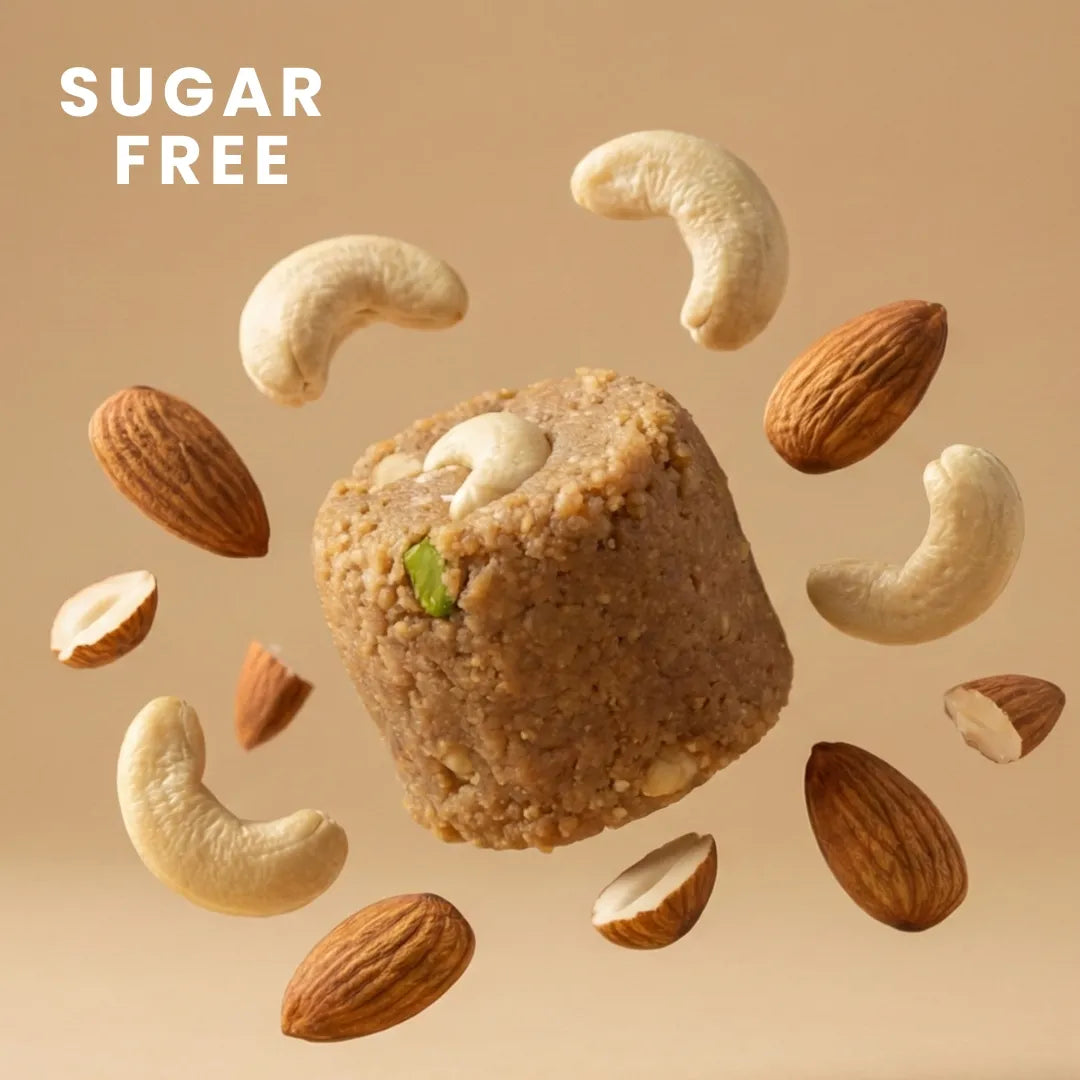
👉 Looking for sugar-free options?
View Sugar-Free Adadiya
Practical kitchen guide — how to swap jaggery into mithai
1. Start with a 1:1 baseline, then adjust to taste. Many cooks recommend beginning with a 1:1 swap (by volume) for jaggery powder or grated jaggery, then tasting — some sources advise using slightly more jaggery if it seems less sweet, while others suggest small reductions if the jaggery is very rich. Because jaggery’s sweetness and moisture vary, treat the 1:1 rule as a starting point not an absolute. (samaproducts.com)
2. Mind the moisture. Block or unrefined jaggery often contains more moisture than dry granulated sugar. Reduce other liquids slightly (or cook the jaggery into a syrup to precise consistency) for consistent textures in burfi or halwa. (samaproducts.com)
3. Powder or dissolve jaggery for even mixing. For smooth barfis, powder jaggery or dissolve it in warm water and strain to remove impurities before cooking. This keeps grainy texture away. (Also helps when baking or making delicate kheer.) (samaproducts.com)
4. Watch the chemistry. Jaggery behaves differently in caramelization and crystallization than sucrose; chikki made with jaggery can be softer and less brittle than sugar chikki unless the syrup is cooked to a firmer stage. Use tried recipes and practice the syrup thermometer technique if you want predictable results. (gayatrivantillu.com)
5. Use flavour balances: a squeeze of lemon (to prevent unwanted crystallization), a pinch of salt, or a little ghee can improve mouthfeel and shelf life.
6. Test in small batches. If you’re scaling up for festivals (Diwali, Raksha Bandhan) or for mithai production, test 1–2 kg batches before committing to a large run — product texture and shelf life can change with jaggery.
(For technical recipe development — e.g., replacing sugar in baked goods — food-science trials show you can successfully partially or wholly replace sugar with jaggery, but you must tweak moisture and mixing parameters. A controlled study replacing sugar with jaggery in baked products shows formulation adjustments are often necessary.) (PMC)
A quick recipe idea: Peanut-Jaggery Chikki (taste & tradition)
(short version — perfect for selling as a healthy winter snack at Mithdi)
-
Roast 1 cup peanuts, remove skins.
-
Crush ¾–1 cup jaggery and melt gently with 2–3 tbsp water until syrup reaches a thread (or hardball) stage depending on desired texture.
-
Mix peanuts in the hot jaggery, pour onto greased tray, press thin, cool and cut.
Tip: for firmer brittle, cook jaggery slightly longer; for softer chewy chikki, stop earlier. Chikki made with jaggery is delicious and considered a traditional healthy winter snack. (Indian Healthy Recipes)
Safety & moderation — the honest truth
-
Calories still count. Jaggery is not calorie-free. Eating large amounts contributes to weight gain and the same metabolic risks as other added sugars. (DiabeSmart)
-
If you have diabetes: jaggery may raise blood glucose substantially; its GI varies and can be high. Diabetics should not assume jaggery is safe — check blood glucose response and consult a healthcare provider. (Apollo 24|7)
-
Quality matters: cheap jaggery can be adulterated. Buy from trusted sources (food-grade, hygienic suppliers), or use powdered/organic jaggery when possible. Simple home tests and trusted vendors reduce the risk of contaminants. (The Times of India)
Verdict: should your mithai use jaggery or white sugar?
-
Use jaggery when you want flavour depth, a bit of extra micronutrients, and authenticity — for chikki, many laddoos, certain burfis and winter seasonal sweets. It’s a meaningful upgrade over refined sugar in taste and micronutrient profile. (Health)
-
But remember: both jaggery and sugar are added sugars — portion control is essential. For people with metabolic concerns (diabetes, insulin resistance), jaggery is not a free pass; proceed cautiously. (DiabeSmart)
How Mithdi approaches this (practical shop note)
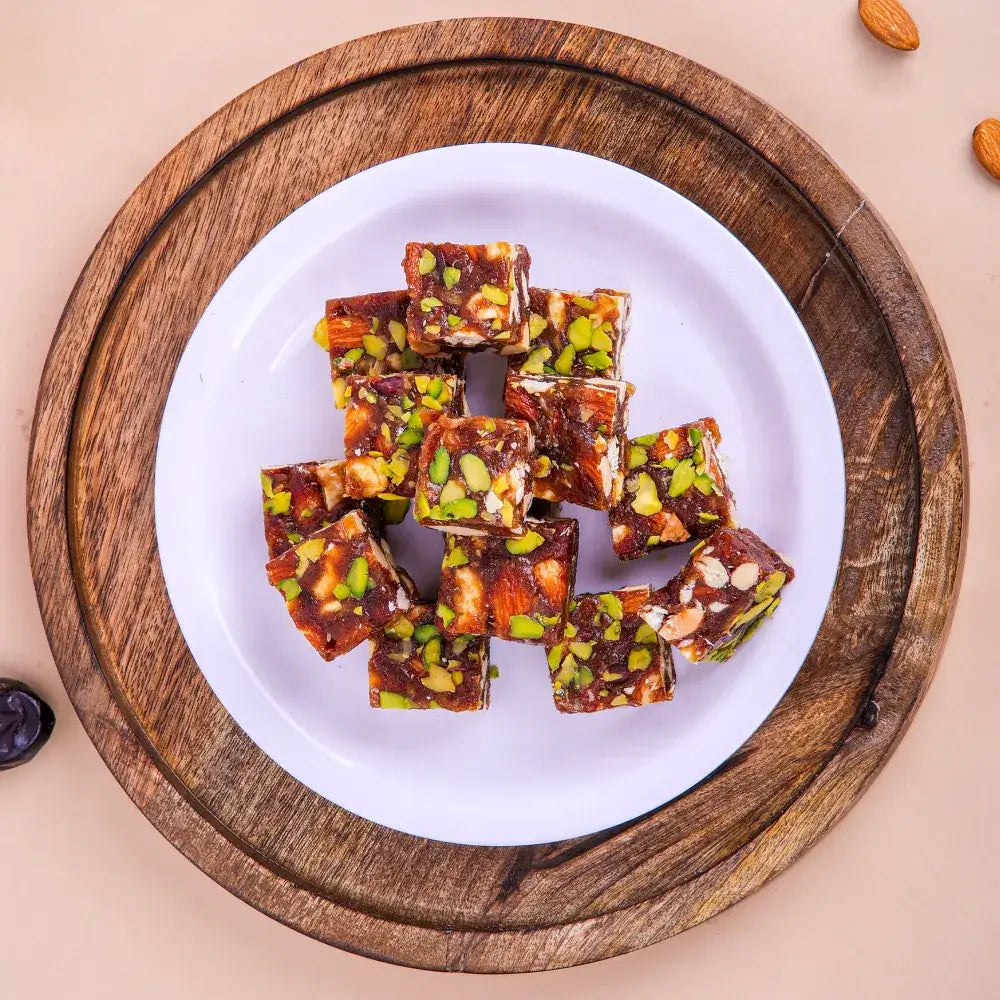
At Mithdi, we blend tradition with health-conscious choices: many of our winter specials, date bites, and chikkis use authentic, food-grade jaggery and whole nuts — no refined sugar, no preservatives — and we label products with clear ingredient and storage guidance so customers can pick sweets that match dietary needs (e.g., gluten-free, sugar-free, or jaggery-based). If you’d like, I can draft product descriptions or a short “how to enjoy” note for each jaggery-based sweet on mithdi.com to boost SEO and educate buyers.
References & further reading
(Selected trustworthy resources used while preparing this guide — for deeper reading.)
-
Health.com — Why jaggery contains more nutrients than refined sugar, but still is a sugar. (Health)
-
Apollo247 — Jaggery and glycemic impact; moderation for diabetics. (Apollo 24|7)
-
Redcliffe Labs / nutrition pages — Nutritional composition and calories of jaggery per 100 g. (Redcliffe Labs)
-
PMC study — Effect of replacing sugar with jaggery in baked products (formulation notes). (PMC)
-
EasyAyurveda — Traditional Ayurvedic uses and notes on jaggery. (Easy Ayurveda Hospital)
-
IndianHealthyRecipes / HebbarsKitchen — Traditional peanut-jaggery chikki techniques and notes on texture. (Indian Healthy Recipes)